
Cottagecore Interior Design Ideas for SG Homes
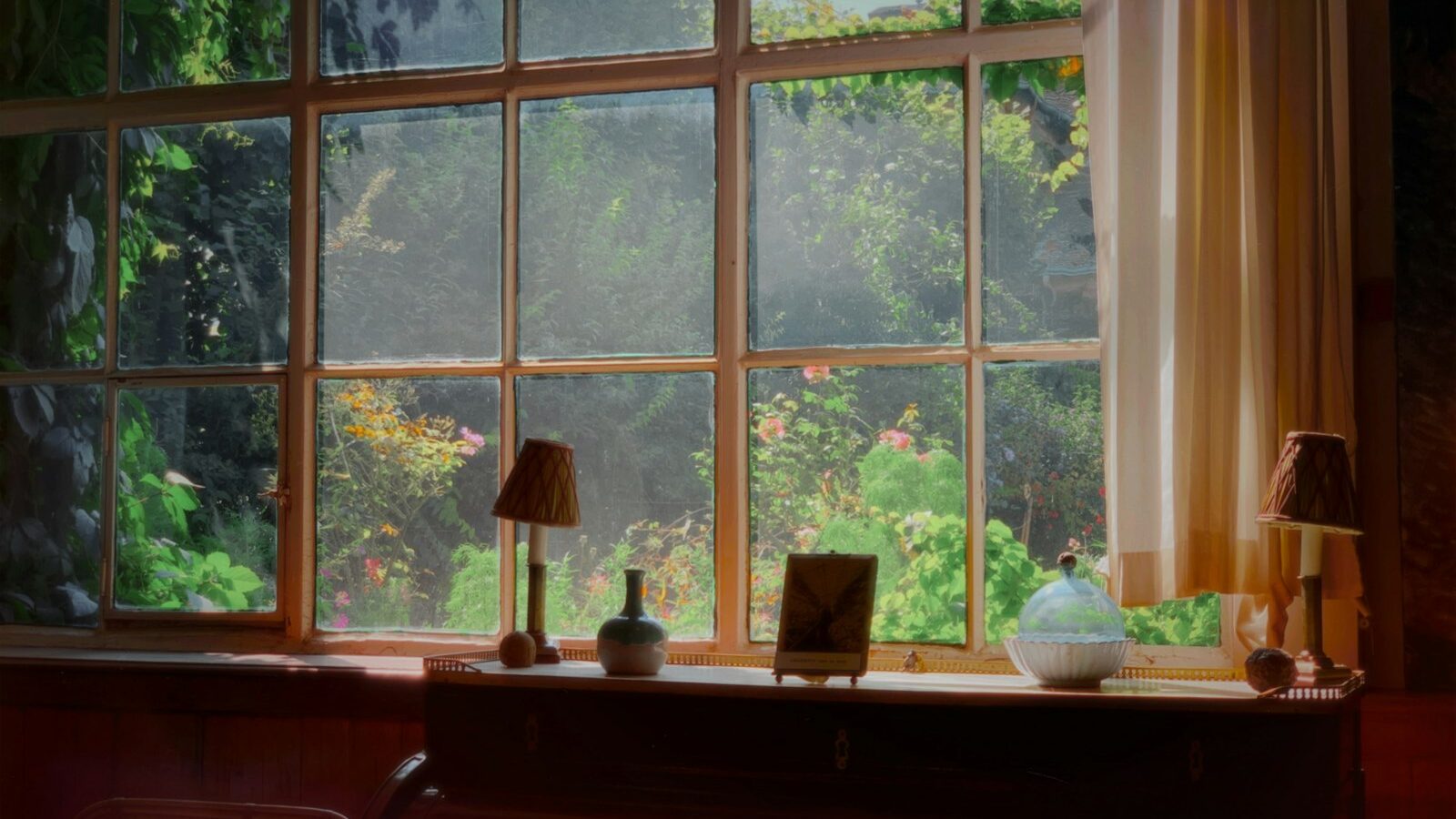
A cottagecore interior celebrates a slower, gentler way of living — soft florals, vintage finds, natural materials and a cosy, lived-in warmth. It is romantic without being precious. This guide is for Singapore homeowners who love that countryside-cottage charm and want to translate it into an HDB flat or condo without it feeling twee or impractical in the tropics.
What gives cottagecore its charm
Cottagecore is rooted in nostalgia and nature. Think handmade ceramics, worn timber, floral textiles, dried flowers and pieces that look collected over generations. The mood is unhurried and homely. Unlike polished contemporary styles, imperfection is part of the appeal — a slightly faded rug or a mismatched chair adds character rather than detracting from it. This forgiving quality is part of what makes the style so welcoming for homeowners who do not want a showroom-perfect home and would rather their space feel warm, used and personal.
Building the palette
- Base colours: warm cream, soft white, butter and gentle sage.
- Accents: dusty rose, terracotta, sky blue and botanical green.
- Patterns: small florals, gingham, ticking stripe and toile, used sparingly.
- Materials: natural timber, rattan, linen, cotton and unglazed ceramics.
Keep patterns to a few key pieces so the look stays soft rather than busy, especially in a compact flat.
Furniture and decor
| Element | Cottagecore choice |
|---|---|
| Seating | Soft, slipcovered sofas; spindle or rattan chairs |
| Storage | Open shelving, freestanding dressers, woven baskets |
| Tables | Reclaimed or distressed timber |
| Textiles | Linen curtains, quilted throws, floral cushions |
| Accessories | Dried flowers, ceramics, vintage books, framed botanicals |
Making cottagecore work in Singapore
The biggest adaptations are practical. Heavy layering and genuine antique timber can struggle in our humidity, so favour breathable linens, sealed or engineered timber, and a lighter hand with textiles. Good ventilation and dehumidifying help protect natural materials and dried arrangements. A planted windowsill or herb pots reinforce the nature-led feel and thrive in our climate. For more on bringing nature indoors, see our guide to biophilic interior design.
Smart storage for a cosy but tidy home
Cottagecore can tip into clutter if you are not careful. Balance the open, displayed pieces with concealed storage so daily mess stays out of sight. Built-in cabinetry painted in a soft colour keeps the look authentic while adding practical capacity. Thoughtful space planning helps you fit charm and function into a flat without crowding it.
Room-by-room ideas
Cottagecore is easy to introduce one room at a time.
- Living room: a slipcovered sofa, floral cushions, a worn timber coffee table and open shelving with ceramics.
- Kitchen: painted shaker cabinets, open shelving for crockery, and a butler-style sink for a country feel.
- Bedroom: layered quilts, a spindle bed frame, linen curtains and a posy of dried flowers.
- Nook: a window reading corner with a soft chair, a throw and a stack of books captures the mood perfectly.
Bringing the outdoors in
Cottagecore is deeply connected to the garden, which is a lovely thing to recreate even without one. A windowsill of herbs, a few potted plants, fresh or dried flowers, and botanical prints all bring nature inside. Natural light is part of the charm, so keep window treatments light and airy. In Singapore, hardy herbs and leafy plants thrive on a sunny ledge, and a small planted corner reinforces the gentle, grown-from-the-earth feeling at the heart of the style.
Indicative costs
- Painted built-in dresser or shelving: roughly $1,500 – $4,000 depending on size.
- Linen curtains supplied and installed: $40 – $90 per panel depending on fabric.
- Vintage and decor pieces: highly variable; thrifted finds keep costs low.
Cottagecore is one of the more budget-friendly styles because so much of it comes from accessories and second-hand finds rather than major renovation.
Pairing with softer classic styles
Cottagecore sits comfortably alongside gentle, traditional looks. If you are drawn to a slightly more elegant version, our guide to French interior design shares the same love of mouldings, soft palettes and collected detail. A coordinated full-home design keeps the look consistent from room to room.
A simple starting checklist
To ease into cottagecore without it tipping into clutter, follow these steps:
- Set a soft, warm base palette of cream, butter and gentle sage.
- Add one or two patterned pieces — a floral cushion or gingham throw.
- Introduce natural materials such as timber, rattan and linen.
- Mix vintage or thrifted furniture with what you already own.
- Bring in plants, herbs or dried flowers for the nature-led feel.
- Balance open display with concealed storage to keep daily mess hidden.
Building up slowly keeps the look authentic and collected rather than bought as a themed set.
FAQ
Will cottagecore look out of place in a modern condo?
Not if you blend it thoughtfully. Soften hard modern surfaces with natural textiles, timber and a warm palette, and the cosy character comes through without clashing with the architecture.
How do I keep dried flowers and natural decor from deteriorating here?
Keep them away from direct sun and damp, run a dehumidifier in enclosed rooms, and refresh arrangements periodically. Preserved or faux options last longer if upkeep is a concern.
Is cottagecore expensive to achieve?
It is one of the more affordable styles. Much of the charm comes from thrifted furniture, simple textiles and accessories rather than costly finishes or major renovation.
If you would love a cosy, nature-led cottagecore home adapted for Singapore, arrange a consultation with Elements and we will help you balance charm with practicality.