
Layered Lighting: Ambient, Task & Accent Guide
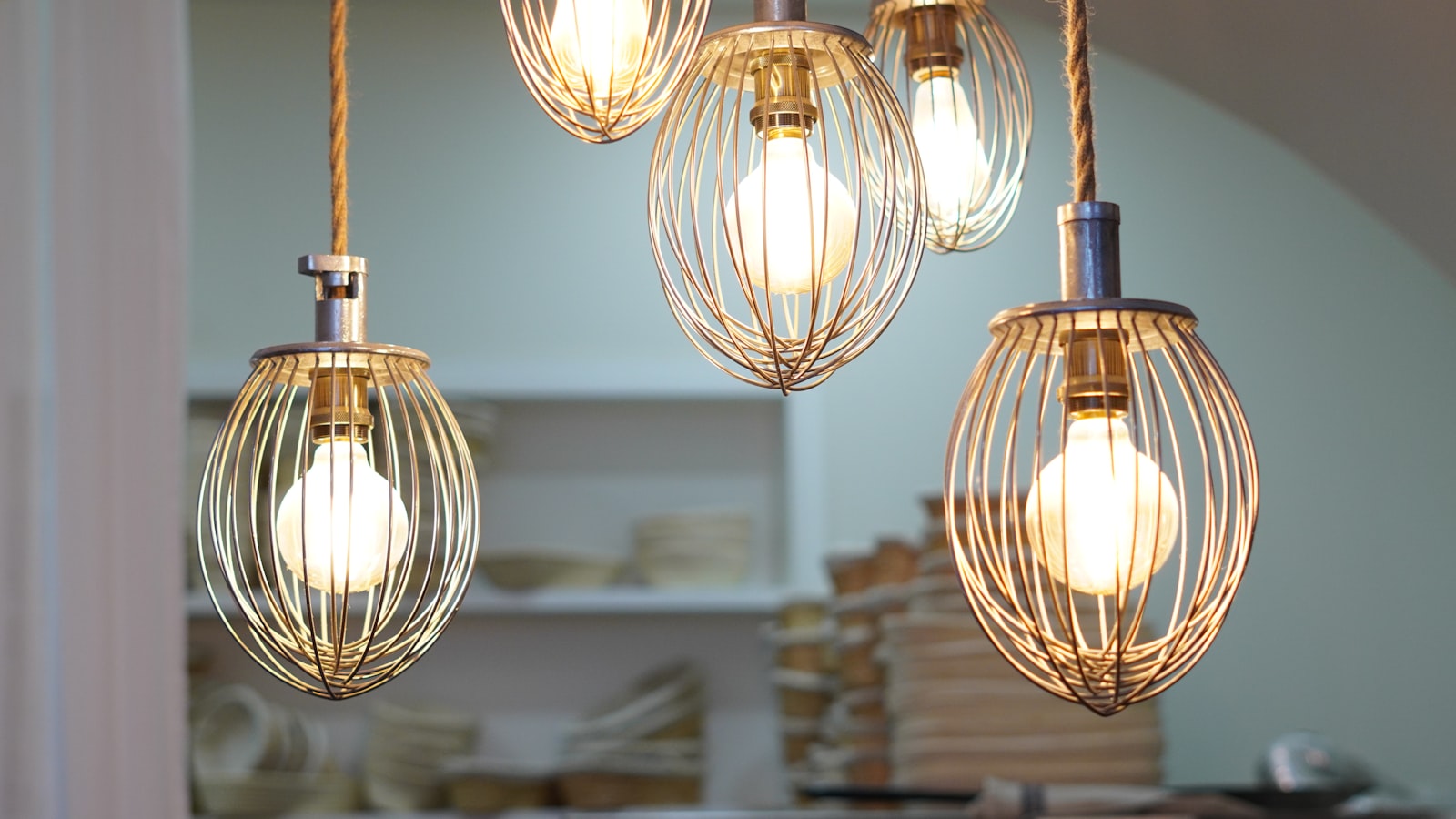
Layered lighting is the single biggest upgrade most Singapore homes can make to how they feel. Relying on one bright ceiling light leaves a room flat and harsh; combining ambient, task and accent layers lets you shift a space from functional to relaxed at the touch of a dimmer. This guide explains the three layers and how to plan them for an HDB flat or condo.
The three layers explained
Good lighting design is built from three complementary layers, each doing a different job.
| Layer | Purpose | Typical fittings |
|---|---|---|
| Ambient | General, overall light | Downlights, cove lighting, ceiling fixtures |
| Task | Focused light for activity | Under-cabinet, reading lamps, vanity lights |
| Accent | Mood and highlighting | Strip lighting, spots, wall lights |
A well-lit room uses all three, switched separately so you can use only what you need.
Ambient lighting
Ambient light is the base layer that lets you move around safely. In Singapore homes this is usually recessed downlights or concealed cove lighting in a false ceiling. The aim is even, gentle coverage rather than a single glaring central fitting. Warm white, around 2700 – 3000K, suits living and bedroom spaces; cooler white works in kitchens and study areas. Always put ambient light on a dimmer.
Task lighting
Task light is brighter and focused where you actually do things. Examples include under-cabinet strips over a kitchen worktop, a vanity light at the bathroom mirror, a desk lamp at a study, and a reading light by the bed or armchair. Without task light, you end up working in your own shadow under a ceiling fitting. Planning task light into your kitchen design early ensures power and fittings land in the right places.
Accent lighting
Accent light adds depth, mood and drama. It highlights features and creates atmosphere rather than providing working light. Common accents include LED strips behind a TV feature wall or under floating cabinetry, picture lights over art, and wall sconces for a soft glow. Accent light is what makes a room feel designed rather than merely illuminated.
Planning lighting room by room
- Living room: dimmable downlights, a feature pendant, plus accent strips and lamps.
- Kitchen: bright ambient plus under-cabinet task light over the worktop.
- Bedroom: soft ambient, bedside reading lights, gentle accent glow.
- Bathroom: even ambient plus shadow-free vanity task lighting.
- Entrance: a warm welcoming fitting plus accent light on a feature.
Switching and dimming should be planned alongside electrical works so each layer can be controlled independently. This is best handled during full-home design, before ceilings are closed up.
Why one ceiling light is never enough
Most Singapore flats are handed over with a single central fitting per room, which is the root of so many flat, unflattering interiors. A lone overhead light pushes everyone into shadow, washes colour out of finishes, and makes a room feel like a corridor. Layering solves this by giving you light at different heights and intensities — overhead for general coverage, lower task light where you read or cook, and accent light at eye level for warmth. Even modest homes feel dramatically better once the lighting works in layers rather than relying on one switch.
Planning the controls
How you switch and dim your lighting is as important as the fittings themselves. Each layer should be on its own circuit so you can use ambient, task and accent light independently. Put living and bedroom lighting on dimmers as standard. Group switches sensibly near doorways and the bed, and consider a two-way switch for rooms with more than one entrance. If you are open to smart controls, scene presets let you recall a bright cleaning mode or a soft evening mood with one tap. Decide all of this before first fix wiring begins.
Colour temperature and dimming
Mixing colour temperatures jars the eye, so keep a consistent warmth within each space. Warm white creates a relaxed mood for living and sleeping areas, while neutral white suits work surfaces. Dimmers are essential — they let one room serve bright, practical tasks and soft, restful evenings. Smart bulbs and switches add scheduling and scene control if you want it.
Indicative costs
- Recessed downlights: roughly $30 – $80 each supplied and installed.
- Cove / strip LED: $25 – $60 per metre installed.
- Feature pendant or wall light: $80 – $600 per fitting depending on design.
- Dimmer modules and smart switches: $40 – $200 each.
Common lighting mistakes
A few recurring errors undo otherwise good homes. The most common is relying on a single bright ceiling light, which flattens a room and casts harsh shadows. Others include forgetting task light where you actually work, so you end up in your own shadow; mixing warm and cool colour temperatures in the same room, which looks disjointed; and skipping dimmers, which removes any flexibility over mood. Over-lighting is a problem too — too many downlights make a home feel like an office. Planning placement and switching deliberately, rather than dotting fittings evenly across the ceiling, avoids all of these.
Lighting and your interior style
Lighting carries the mood of every style. It is what makes a contemporary luxury interior glow and stops a dark wood interior from feeling heavy. Whatever the look, the three-layer principle holds.
FAQ
How many lighting layers does a room really need?
Aim for all three — ambient, task and accent — wherever practical. Even a small bedroom benefits from soft ambient light, a bedside reading light and a gentle accent glow.
What colour temperature is best for a Singapore home?
Warm white around 2700 to 3000K suits living and sleeping areas, while neutral white around 4000K works for kitchens and study zones. Keep it consistent within each room.
Do I need to plan lighting before renovation?
Yes. Wiring, switch positions and recesses must be set before ceilings and walls are closed up, so plan your lighting layers at the design stage rather than retrofitting later.
If you would like a lighting scheme that makes every room feel right, book a consultation with Elements and we will plan the layers, controls and fittings around how you live.