
Open vs Closed Kitchen: Which to Choose in SG
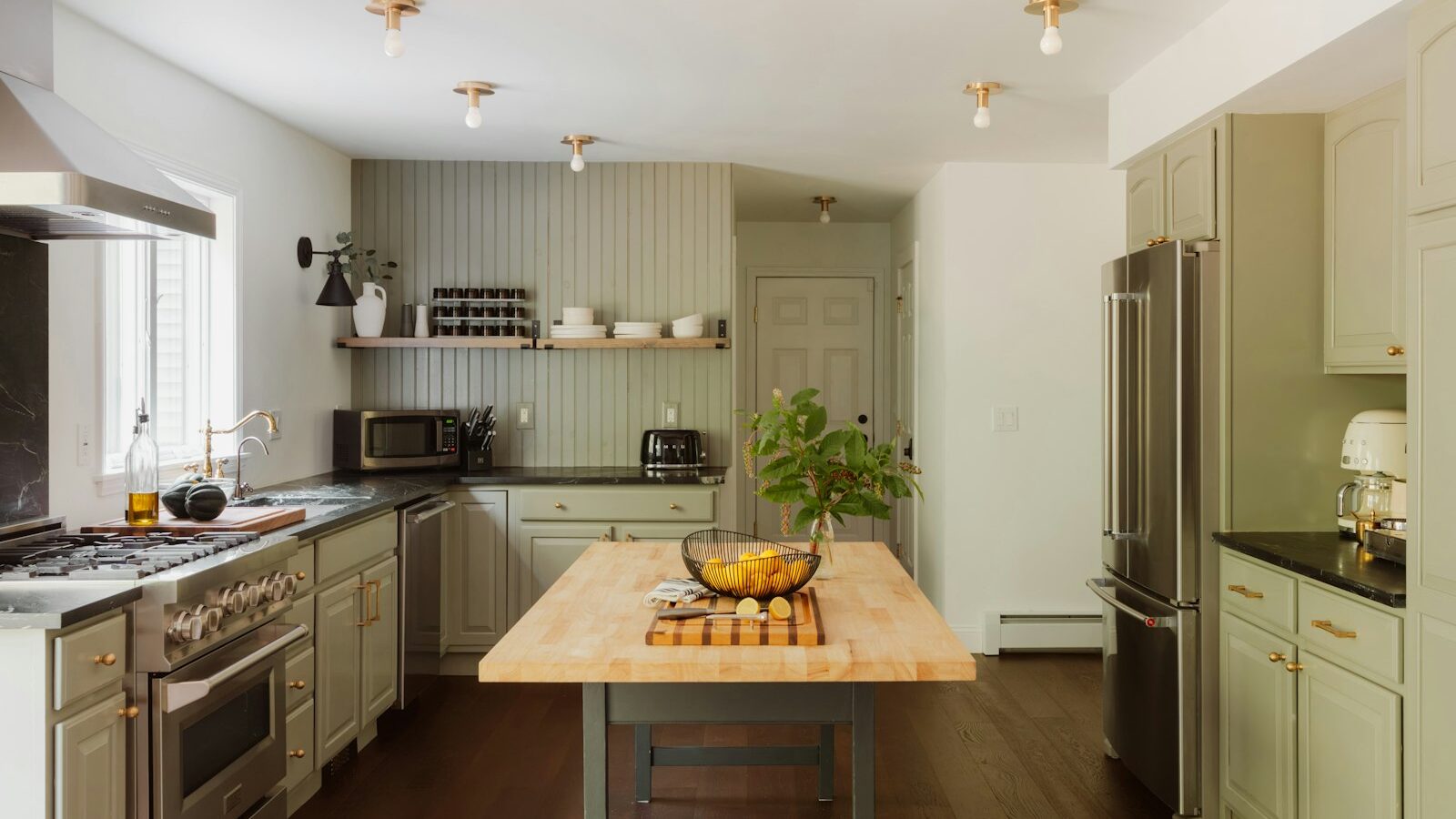
In the open vs closed kitchen debate for Singapore homes, an open kitchen makes the space feel larger, brighter and more sociable, while a closed kitchen contains heat, oil and smell from heavy cooking. Light cooks and entertainers favour open layouts; those who wok-fry daily favour closed or semi-open ones. This guide compares both so you can choose the layout that fits how you actually cook.
The core trade-off
Singapore cooking matters here. Frequent stir-frying and deep-frying produce heat and oily fumes that an open kitchen spreads into the living area, where they settle on soft furnishings. A closed kitchen contains this but feels smaller and more isolated. The open vs closed kitchen decision is mostly about balancing the look you want against the cooking you do.
Open vs closed kitchen compared
| Factor | Open kitchen | Closed kitchen |
|---|---|---|
| Sense of space | Larger, brighter | More contained |
| Heat and smell control | Lower | High |
| Sociability | High, connected | Separate |
| Suits heavy cooking | Less ideal | Ideal |
| Storage of clutter | Always on show | Hidden behind door |
| Light flow | Better | More limited |
When an open kitchen works
- You cook lightly or mostly do quick, low-fume meals.
- You entertain and want to chat with guests while cooking.
- Your flat or condo is compact and benefits from the extra sense of space.
- You value natural light reaching deeper into the home.
An open kitchen with an island or peninsula becomes a natural social hub. Keep it tidy, since everything is on view.
When a closed kitchen wins
- You cook heavily with a wok and produce a lot of heat and oil.
- You prefer to hide cooking mess from the living area.
- You want to contain noise from appliances.
A closed kitchen keeps the rest of the home cleaner and cooler, a real benefit for daily Singaporean cooking.
The semi-open compromise
The most popular solution locally is a semi-open kitchen with a glass sliding partition. You get the open, bright feel most of the time, then slide the doors shut for heavy cooking to contain heat and oil. This combines the best of both and suits many Singapore households. Our kitchen design service can plan a glass-partition layout around your cooking habits.
Layout and ventilation tips
Whichever you choose, ventilation is key. A powerful hood, good cross-ventilation and a separate wet kitchen or service yard for the heaviest cooking all help. For broader planning, our space planning service maps the kitchen against the living flow, and our full-home design service coordinates the whole home.
The wet and dry kitchen approach
A popular Singapore solution, especially in condos and larger flats, is to split cooking into a dry kitchen and a wet kitchen. The dry kitchen sits open to the living area for light tasks, coffee, plating and casual prep, while an enclosed wet kitchen at the back handles the heavy frying that produces heat and oil. This gives you the sociable, open look where guests see it, with the messy work contained out of sight. It needs the floor area to support two zones, but where space allows it resolves the open versus closed dilemma cleanly.
Resale and lifestyle changes
Consider how your cooking might change. Couples who cook lightly today may host more or cook for children later, and a fully open kitchen with no partition option can feel limiting then. Designing in a glass partition or leaving provision for one future-proofs the space at modest cost. From a resale view, a flexible kitchen that buyers can use either way is the most broadly appealing, so building in adaptability tends to protect value better than committing fully to one extreme.
Related kitchen decisions
While planning, also consider your finishes with our guide on spray paint vs laminate cabinets and your worktop with the most durable countertop.
FAQ
Is an open kitchen practical in Singapore?
It works well for light cooks and entertainers, but heavy wok cooking spreads heat and oil into the living area. A semi-open kitchen with a glass partition is the popular compromise, giving openness with the option to close off for heavy cooking.
Does an open kitchen reduce resale value?
Not inherently. Buyer preference varies; some love the airy feel, others want a closed kitchen for heavy cooking. A flexible semi-open layout appeals to the widest range of buyers.
How do I stop smells in an open kitchen?
Use a powerful range hood, ensure good cross-ventilation, and consider a glass sliding partition for heavy cooking. Some homes add a separate wet kitchen or service yard for the messiest tasks.
What is a semi-open kitchen?
A semi-open kitchen uses a glass sliding or folding partition between the kitchen and living area. It stays open and bright most of the time and can be closed off when cooking produces heat and oil, combining the benefits of both layouts.
What is the difference between a wet and dry kitchen?
A dry kitchen is an open area for light tasks, plating and casual prep, while a wet kitchen is an enclosed space for heavy frying that contains heat and oil. Splitting the two gives an open look where guests see it with the messy work hidden behind.
Deciding on your kitchen layout? Book a consultation with Elements and we will recommend an open, closed or semi-open kitchen that fits how you cook.