
What Defines High-End Interior Design in Singapore
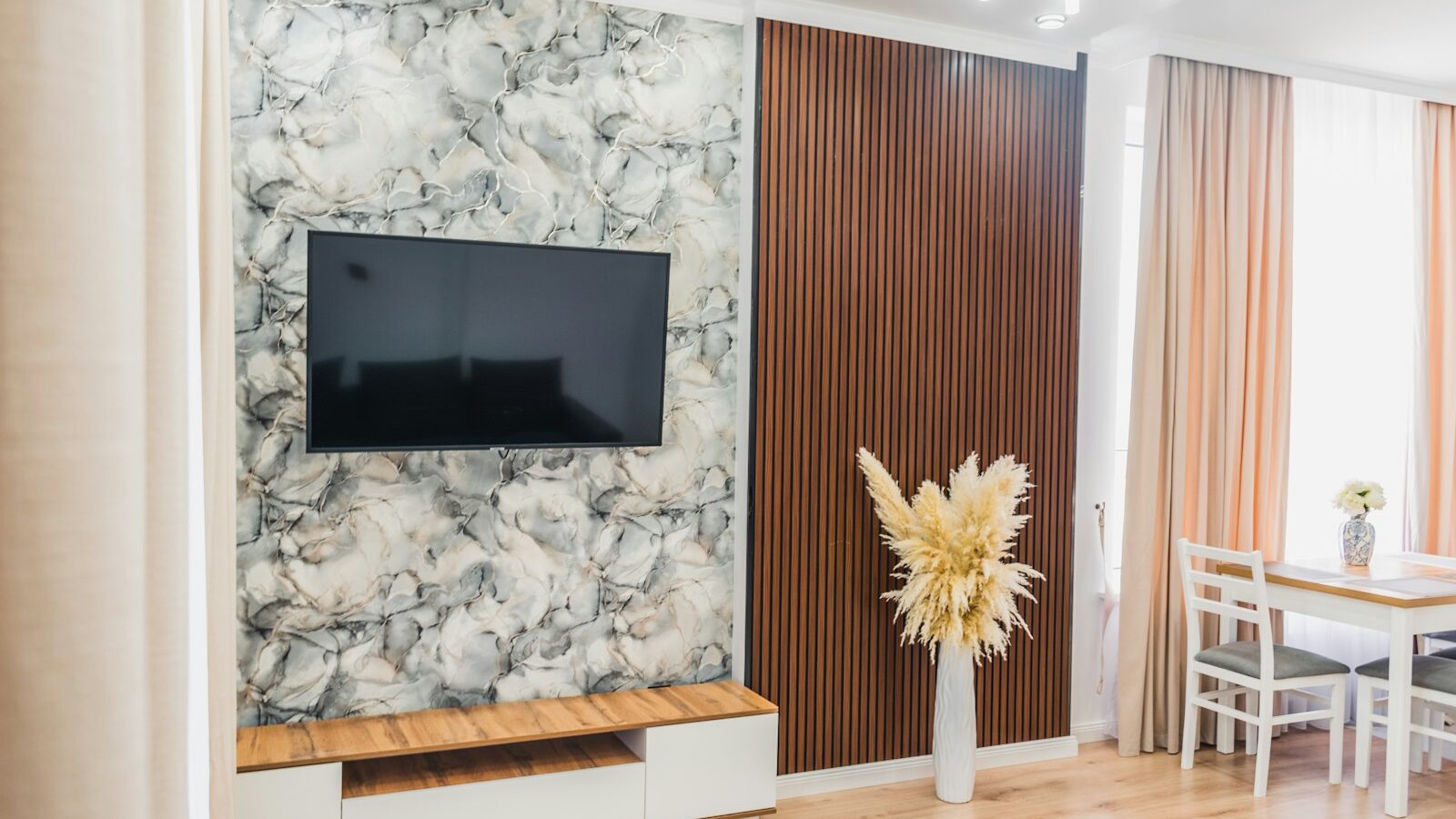
High end interior design Singapore homeowners value is defined less by expense and more by quality of thought and execution: bespoke joinery, considered material palettes, precise detailing, integrated technology, and a level of service that handles every detail. True luxury is restraint and craftsmanship rather than ornament. This guide explains the genuine hallmarks of high-end design, how they differ from simply spending more, and what an indicative budget looks like.
What are the hallmarks of high-end interior design?
The qualities below separate considered luxury from merely costly. Notice how few are about price tags and how many are about care.
| Hallmark | What it looks like |
|---|---|
| Bespoke joinery | Custom cabinetry with seamless lines and concealed fixings |
| Material quality | Natural stone, solid timber, sintered stone and fine veneers used well |
| Detailing | Shadow gaps, flush transitions and considered reveals |
| Layered lighting | Ambient, task and accent layers, often on dimmable circuits |
| Integration | Concealed services, smart controls and hidden storage |
| Restraint | A disciplined palette where every element earns its place |
| Service | Single-point management and meticulous attention through to handover |
How is high-end different from expensive?
Spending heavily on imported finishes does not make a home high-end if the layout is poor, the lighting is flat and the joinery is roughly finished. Conversely, a disciplined scheme with excellent space planning, even lighting and crisp detailing can feel deeply luxurious without ostentation. The difference is coherence: a high-end interior reads as one resolved idea, where materials, proportions and light work together. This is the same principle that underpins award-winning interior design.
What does high-end interior design cost?
Budgets vary widely with property type and scope, so treat these as indicative only.
| Property | Indicative high-end budget (SGD) |
|---|---|
| Larger HDB, premium finishes | 80,000 – 130,000+ |
| Condominium, full design | 120,000 – 250,000+ |
| Landed home | 250,000 – 600,000+ |
These figures are indicative and depend heavily on size, material selection and the extent of bespoke work. The fee buys design intelligence and management as much as materials.
What to look for in a high-end designer
- A consistent, refined portfolio that shows restraint rather than trend-chasing.
- Attention to detail visible in joinery, transitions and lighting.
- Strong space planning, since luxury starts with how a home flows and feels.
- Trusted craftsmen and suppliers for stone, timber and bespoke metalwork.
- Comprehensive service, with one team accountable from concept to handover.
Our full-home design service delivers this end-to-end approach, supported by detailed space planning that gets the bones of the home right. Explore our condominium and landed portfolios to see refined work across property types.
How high-end firms manage a project
At the top of the market, the management is as much the product as the finishes. A high-end studio plans the work so that decisions are made early and in the right order, because changing a stone selection after the carpentry is built is where budgets and tempers fray. Expect a longer design phase before any hacking begins, with detailed drawings, material samples laid out together, and lighting decided alongside the joinery rather than as an afterthought.
Day to day, a single project manager coordinates a tighter set of trusted trades, and site supervision is more frequent than on a standard renovation because the tolerances are finer. The table below sets out how the stages typically run on a considered project.
| Stage | What happens |
|---|---|
| Briefing and concept | Detailed discussion of how you live, followed by a concept and material direction |
| Design development | Layouts, joinery details, lighting plan and finalised material palette agreed together |
| Documentation | Full drawings and specifications issued so trades price and build against one source |
| Build and supervision | Sequenced works with frequent site checks on alignment, gaps and finishes |
| Handover and snagging | Detailed defect inspection and rectification before you move in |
This sequencing is why a high-end project feels calmer to live through, even when the result is more ambitious.
Bespoke joinery explained
Bespoke joinery is the single element that most separates a high-end interior from a well-finished standard one, and it is worth understanding what you are paying for. Custom carpentry is built to the exact dimensions of your home, so cabinetry runs wall to wall with no filler panels, and lines continue cleanly around corners and across thresholds. The cost sits in the design hours, the quality of the carcass and hardware, and the skill of the carpenter, rather than in the visible surface alone.
- Concealed fixings and handleless fronts achieved with push-to-open mechanisms or routed finger pulls for an uninterrupted face.
- Quality carcasses and hardware, such as soft-close runners and hinges rated for daily use over many years.
- Matched grain and veneer so adjacent panels read as one continuous piece of timber.
- Integrated services, with wiring, lighting and even appliances built seamlessly into the cabinetry.
Bespoke work is rarely the cheapest line in a quote, but for a high-end result it is where the seamless, made-for-this-home quality comes from. Our full-home design service coordinates joinery with the wider scheme so it reads as part of the architecture.
Mistakes that make an expensive home feel cheap
Plenty of well-funded renovations still feel ordinary, and the reasons are consistent. Spending is not the problem; the lack of a guiding idea is. The most common faults undo the effect of costly materials.
- Flat, single-source lighting that floods a room evenly and erases the depth that layered light would create.
- Too many feature materials competing for attention, when restraint and a disciplined palette would read as more luxurious.
- Misaligned details, such as inconsistent shadow gaps or skirting that does not meet cleanly, which the eye registers even if it cannot name the fault.
- Poor space planning hidden behind finishes, where an awkward layout is dressed up rather than fixed.
- Off-the-shelf carpentry with filler strips in a scheme that otherwise aims for seamlessness.
Avoiding these costs thought rather than money, which is exactly why coherence, not expense, defines the result.
Where a high-end budget is best spent
If your budget is generous but not unlimited, the question becomes where to concentrate it for the greatest effect. In our experience the spend that pays off most is the part you touch and see every day, rather than the part on show for guests. A well-resolved kitchen and a calm, well-lit master suite do more for daily life than an expensive feature wall.
- Space planning and layout first, since no finish can rescue a home that flows poorly.
- Bespoke joinery in the kitchen and wardrobes, where you interact with the cabinetry constantly.
- Layered lighting throughout, which transforms how every material reads at little relative cost.
- Stone and timber where they are touched, such as worktops and floors, ahead of decorative surfaces.
Spending in this order means the home feels considered everywhere it counts, which is the quiet hallmark of genuine high-end design.
FAQ
Does high-end interior design always mean a huge budget?
Not necessarily. While premium materials cost more, the defining qualities are coherence, craftsmanship and restraint, which can elevate homes across a range of budgets.
What materials are associated with luxury interiors?
Natural stone, solid and veneered timber, sintered stone, quality metals and fine textiles, used with discipline rather than piled on for show.
Why is lighting so important in high-end design?
Layered lighting shapes how a space feels. Combining ambient, task and accent light on dimmable circuits gives flexibility and depth that flat, single-source lighting cannot.
Is bespoke joinery worth the cost?
For a high-end result, yes. Custom joinery fits the space exactly, conceals fixings and storage, and achieves the seamless lines that off-the-shelf cabinetry cannot.
How do I tell genuine quality from surface gloss?
Examine the details: how materials meet, the consistency of gaps and reveals, the smoothness of finishes, and whether the layout actually works. Quality shows in the joins.
Looking for refined, considered interiors that feel effortless rather than ostentatious? Book a consultation with Elements and we will discuss how high-end design principles can shape your home.