
What Makes Award-Winning Interior Design?
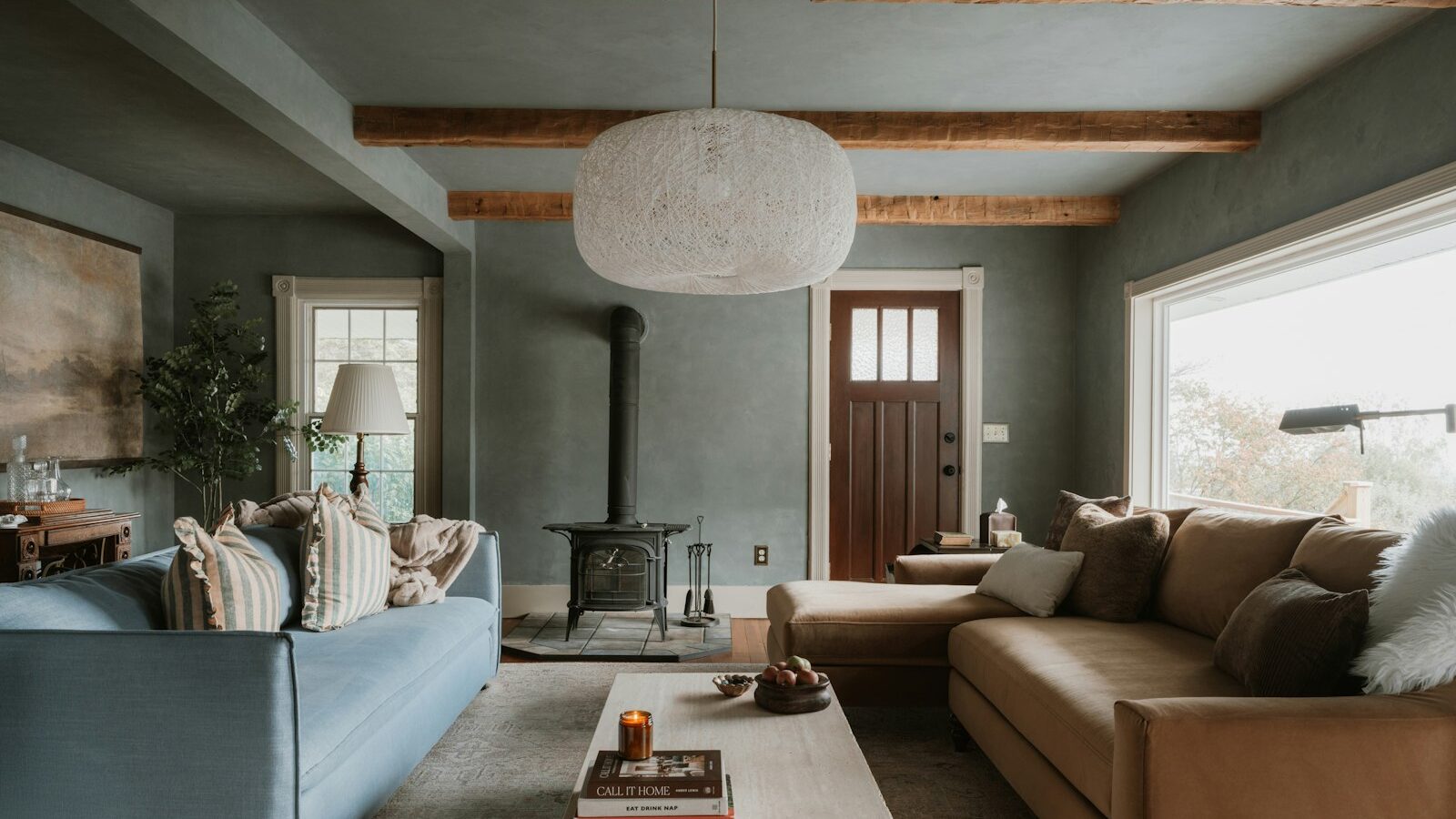
Award winning interior design is recognised for more than good looks. It typically combines thoughtful space planning, craftsmanship in execution, a clear and consistent concept, and a real response to how the occupants live. Awards reward originality and problem-solving, not just expensive materials. For a homeowner, the practical takeaway is to look past trophies and assess whether a designer demonstrates these same qualities in completed work. This guide explains what judges value and how to read awards sensibly.
What qualities define award-winning interior design?
Across reputable design awards, the same themes recur. The table summarises what panels tend to reward.
| Quality | What it means in practice |
|---|---|
| Concept clarity | A single coherent idea carried consistently through the home |
| Space planning | Layouts that improve flow, light and function, not just aesthetics |
| Craftsmanship | Clean joinery, precise detailing and a high standard of finish |
| Originality | A fresh response rather than a copy of a trend |
| Liveability | A design that genuinely suits how the residents use the space |
| Restraint | Knowing what to leave out, so the result feels considered |
Do awards matter for a homeowner?
Awards can signal that a studio works to a high standard and is respected by peers, which is reassuring. But they are not a guarantee of fit. An award-winning project may be a showpiece that does not reflect your budget, flat type or taste. Treat awards as one data point among several, alongside a relevant portfolio, clear communication and honest pricing. What matters most is whether the designer can deliver the qualities above on your home, not on a magazine feature.
How to assess whether a designer does award-level work
- Study the portfolio for consistency. Strong studios show a coherent point of view across projects, not a scattergun of styles.
- Look at the details. Examine joinery lines, how materials meet, and how lighting is handled.
- Ask about the brief. Award-level designers can explain the problem they solved, not just the look they created.
- Check liveability. Ask how the design serves daily routines, storage and circulation.
- Match to your context. Confirm they have done work relevant to your flat type and budget.
You can see how a consistent design philosophy reads across projects in our portfolio, including dedicated HDB and condominium work.
Award-level thinking in everyday homes
You do not need a showpiece budget to benefit from award-level thinking. The same principles, namely a clear concept, good space planning, restraint and craftsmanship, apply to a modest flat. A well-planned 4-room HDB with considered storage, even lighting and clean joinery can feel more resolved than a lavish home assembled without a guiding idea. Our full-home design service and space planning service apply these principles to homes of every size. For more on the upper end of the market, see what defines high-end interior design.
How design awards are judged in practice
It helps to understand what actually happens behind a design award before you read too much into one. Most reputable programmes work in stages: an initial submission of photographs and a written rationale, a shortlist drawn by a panel, and in stronger awards a round of deeper scrutiny where judges question the thinking rather than just admire the images. The written rationale matters more than homeowners expect, because it is where a designer explains the problem and the response, and a weak narrative often sinks a beautiful photograph.
Judging panels usually balance several disciplines, so a scheme that photographs well but plans poorly rarely survives a panel that includes an architect or a practising designer. Categories also shape outcomes: a compact HDB flat is judged against its peers, not against a landed home, which is why size alone does not win. When you read that a project is award-winning, it is worth asking which programme, which category and which year, because the rigour varies widely between a peer-judged industry award and a pay-to-enter listing.
Award-level problem solving in small homes
The most instructive award entries are often the smallest, because constraint forces clever decisions. In a typical Singapore flat the wins are quiet rather than showy, and they read as resolution rather than expense.
- Borrowing light. Opening a service yard or using glazed partitions to carry daylight into a dark interior corridor.
- Dual-purpose joinery. A study nook that folds away, or a TV console that conceals a household shelter door without drawing attention to it.
- Honest space planning. Relocating a bedroom wall by half a metre to make a galley kitchen workable, rather than papering over an awkward layout with finishes.
- Considered thresholds. Aligning floor transitions, ceiling drops and lighting so the eye reads the home as continuous rather than chopped up.
These moves cost design hours more than they cost materials, which is precisely why they reward thinking over budget. You can see how this approach reads across compact homes in our HDB portfolio.
Awards versus the right fit for you
A wall of trophies is reassuring, but it answers a different question from the one you are actually asking, which is whether this studio will get your home right. An award tells you a firm can produce a standout project under favourable conditions. It does not tell you how they communicate under pressure, how they price honestly, or whether they have done relevant work at your budget and flat type.
The best designer for you is the one whose everyday work, not just their showpiece, matches how you want to live.
Read awards as one input alongside references, an itemised quote and a portfolio that resembles your own project. If a studio’s celebrated work sits far above your budget, ask to see a recent home closer to yours, and judge the care in that. To understand how the upper end of the market applies these same principles, see our guide on high-end interior design in Singapore.
Spotting award-level work in a portfolio
You do not need to wait for a trophy to recognise the qualities that win them, because they are visible in any honest portfolio if you know where to look. Photographs are styled to flatter, so train your eye on the things that styling cannot hide.
- Consistent detailing across rooms, where shadow gaps, reveals and floor transitions are handled the same way throughout.
- Resolved layouts that you can read at a glance, with clear circulation rather than furniture squeezed into awkward corners.
- Restraint in the palette, where a few materials are used confidently rather than many competing at once.
- Real homes, not just sets, with evidence of storage, daily function and how people actually live in the space.
If those qualities run through ordinary projects and not only the headline ones, you are looking at a studio that does award-level work as a habit rather than a one-off.
FAQ
What do interior design award judges look for?
Judges typically reward a clear concept, intelligent space planning, fine craftsmanship, originality and genuine liveability, rather than expense alone.
Does an award guarantee a good outcome for my home?
No. An award shows peer recognition but not necessarily fit for your budget, flat type or taste. Use it alongside a relevant portfolio and clear communication.
Can a small HDB flat be award-worthy?
Yes. Awards reward problem-solving and resolution, not size. A well-planned compact flat with strong detailing can be just as compelling as a large home.
Is expensive material the key to award-winning design?
No. The most respected work is defined by coherence, restraint and craftsmanship. Material choice matters, but how materials are used matters more than their price.
How should I use awards when choosing a designer?
Treat them as one signal among several. Combine award recognition with portfolio relevance, references and how clearly the designer communicates before deciding.
Want a home designed with the same care that defines award-level work, scaled to your budget? Book a consultation with Elements and we will show you how considered design improves everyday living.