
How Long Does Renovation Take in Singapore?
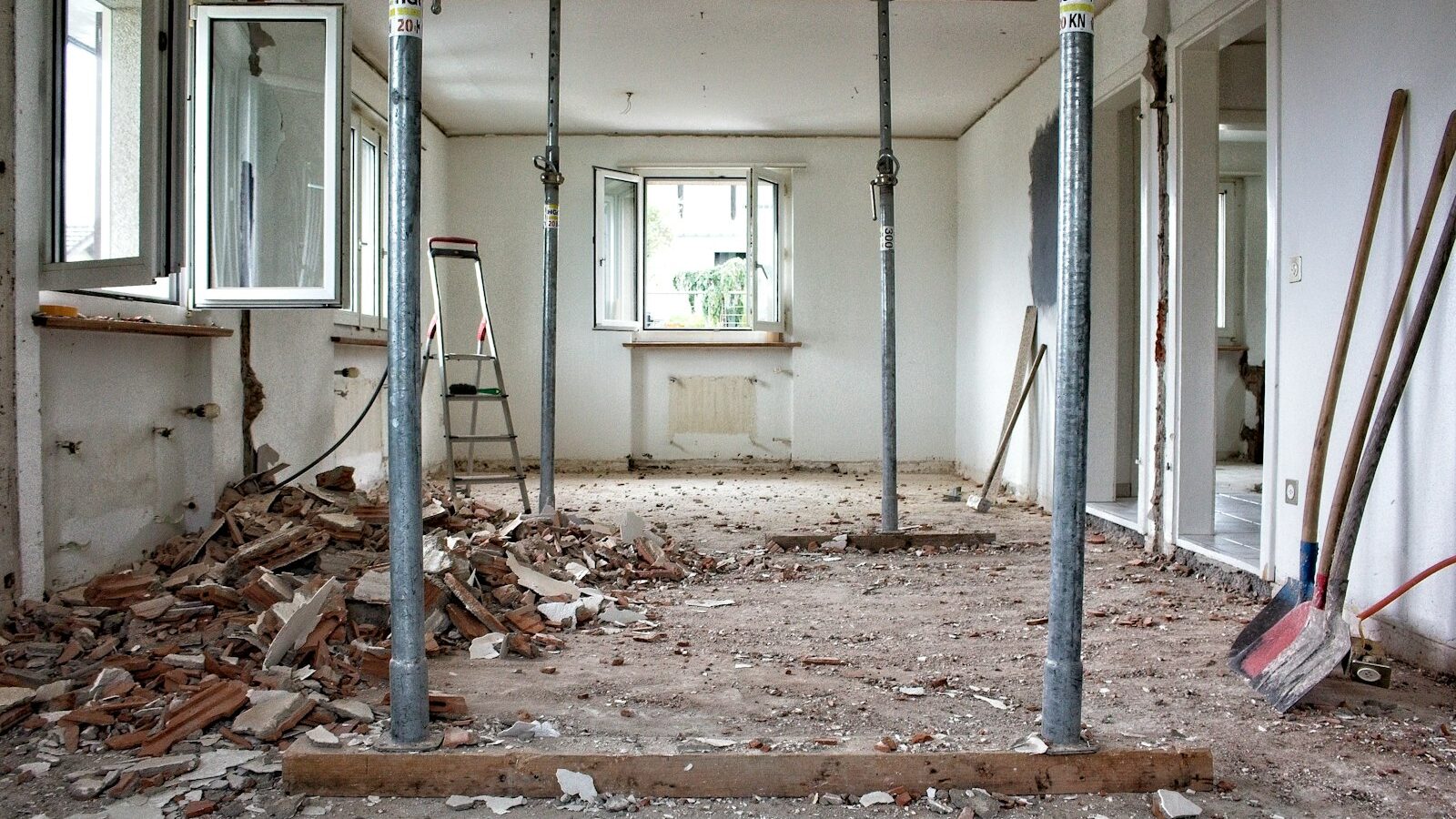
Most homeowners ask how long does renovation take before they collect keys, and the honest answer in Singapore is between six and fourteen weeks for an HDB flat or condo, depending on size, scope and the amount of hacking involved. A new BTO with minimal works can finish in six to eight weeks, while a full resale overhaul with extensive hacking and custom carpentry can run twelve to fourteen weeks or more. Here is a realistic stage-by-stage breakdown.
How long does renovation take by flat type?
Timelines are driven less by floor area and more by how much you are changing. The table gives indicative durations for a mid-range to full scope.
| Property and scope | Indicative timeline |
|---|---|
| BTO, light to mid scope | 6 – 8 weeks |
| BTO, full scope | 8 – 10 weeks |
| Resale HDB, mid scope | 8 – 10 weeks |
| Resale HDB, full overhaul | 10 – 14 weeks |
| Condo, mid to full scope | 8 – 14 weeks |
These are indicative timelines. Carpentry lead time and the number of wet areas are the two biggest swing factors.
What are the stages of a renovation timeline?
A typical renovation runs in a fairly fixed sequence. Understanding the order helps you see where time is spent.
- Permit and protection (3 to 7 days). HDB permit application and protecting floors, lifts and common areas.
- Hacking and demolition (3 to 10 days). Removing old tiles, walls and built-ins; resale flats take longer.
- Masonry and wet works (1 to 2 weeks). Brickwork, screeding, waterproofing and tiling.
- Electrical and plumbing rough-in (1 week). Concealed wiring and pipe runs before walls close up.
- Ceiling and partitions (1 week). False ceilings, cornices and feature partitions.
- Carpentry installation (1 to 3 weeks). Wardrobes, kitchen and built-ins, fabricated off-site then fitted.
- Flooring (3 to 7 days). Vinyl, overlay or tiling, often timed after dusty works.
- Painting and finishing (1 week). Final coats, fixtures, fittings and accessories.
- Touch-ups and handover (2 to 5 days). Defect rectification and final clean.
What causes renovation delays?
- Carpentry lead time. Custom cabinetry needs fabrication time, so late material choices push everything back.
- Hidden defects. Spalling concrete or failed waterproofing in resale flats adds unplanned works.
- Material delivery. Imported tiles, sintered stone and appliances can have long lead times.
- Variations. Changing your mind mid-project, especially on layout, resets parts of the schedule.
- Festive and peak periods. Contractor availability tightens around year-end and before major festivals.
How to keep your renovation on schedule
- Finalise the design, materials and appliances before works begin.
- Confirm carpentry selections early so fabrication can start in parallel.
- Avoid layout changes once hacking is done.
- Order long-lead items well ahead of when they are needed.
- Agree a clear schedule and milestones with your designer at the start.
Our full-home design service manages this sequence end to end so trades are coordinated and idle time is minimised. If your timeline depends on the order of trades, see our guide to the renovation order of works, and if you are deciding on dates, read when is the best time to renovate. You can also browse our portfolio for completed projects.
How to read a project schedule
Most reputable firms will give you a schedule in some form, but the format varies. Some hand over a simple list of milestones, while others provide a proper Gantt-style chart showing which trades run in which week. Whatever the layout, you are looking for three things: the start and finish dates of each stage, the points where two trades overlap, and the dependencies that cannot move. The dependencies are the part homeowners often miss. If carpentry installation is scheduled for week six, that date is only achievable if your laminate and hardware selections were confirmed weeks earlier so fabrication could begin. A schedule is not a promise carved in stone, it is a set of linked commitments, and your decisions sit at the front of that chain.
When you review the schedule, ask your designer to mark the few dates where your input is needed, such as the on-site tile confirmation or the final carpentry measurement. Treat those as your own deadlines. A schedule slips far more often because a homeowner was slow to approve something than because a trade was idle.
What a realistic week-by-week looks like
To make the stages concrete, here is how a mid-scope resale HDB flat might unfold over roughly ten weeks. Yours will differ, but the shape is typical.
| Week | What is happening on site |
|---|---|
| 1 | Permit clearance, protection works, hacking begins |
| 2 | Hacking completed, masonry and brickwork start |
| 3 | Waterproofing, screeding and wet-area tiling |
| 4 | Electrical and plumbing rough-in, aircon trunking |
| 5 | False ceiling, cornices and partition work |
| 6 – 7 | Carpentry delivery and installation |
| 8 | Flooring laid, painting starts |
| 9 | Fixtures, sanitary ware and electrical fittings |
| 10 | Touch-ups, final clean and handover |
Notice that the visible drama, the carpentry and finishes everyone looks forward to, sits in the second half. The first month is structural and largely hidden, which is why some homeowners worry that nothing seems to be progressing. In truth those early weeks set up everything that follows, and skimping on them is where problems begin.
Why rushing wet works is a false economy
Of all the temptations to compress a timeline, pushing the wet works is the most expensive mistake. Waterproofing membranes and cement screed need genuine curing time before tiles or flooring go on top, and that curing cannot be hurried with more manpower or a higher fee. In Singapore’s humidity, drying can actually take a touch longer, not shorter, so a responsible schedule builds in a buffer rather than betting against the weather.
When this stage is rushed, the consequences surface months after you have moved in: hairline cracks in tiling, efflorescence on grout lines, or worst of all a leak into the unit below that triggers a dispute with your neighbour and a full re-do of the bathroom. Re-tiling a wet area after handover costs far more than the few days saved, because the new work has to be hacked out before the proper job can be done. If a contractor offers to shave a week off by tiling over freshly laid waterproofing, treat it as a warning sign, not a saving.
FAQ
How long does a BTO renovation take?
A BTO renovation typically takes six to ten weeks. A light to mid scope is at the lower end, while full carpentry and finishes throughout sit nearer ten weeks.
Why does a resale flat take longer to renovate?
Resale flats need hacking, possible rewiring and pipe replacement, and fresh waterproofing, all of which add days or weeks before the visible works can start.
Can renovation be done faster if I pay more?
To a point. Expedited carpentry and additional manpower can compress some stages, but wet works and waterproofing need curing time that cannot be rushed safely.
What is the most time-consuming stage?
Carpentry installation and wet works are usually the longest stages. Custom cabinetry needs fabrication lead time, and tiling plus waterproofing require curing between steps.
Should I move in immediately after handover?
It is wise to allow a few days after handover for off-gassing of new finishes, a deep clean and final defect checks before moving in.
Want a realistic timeline mapped to your flat and scope? Book a consultation with Elements and we will plan a schedule that keeps your renovation moving without cutting corners.