
How to Design a Small Bedroom: A Practical Guide
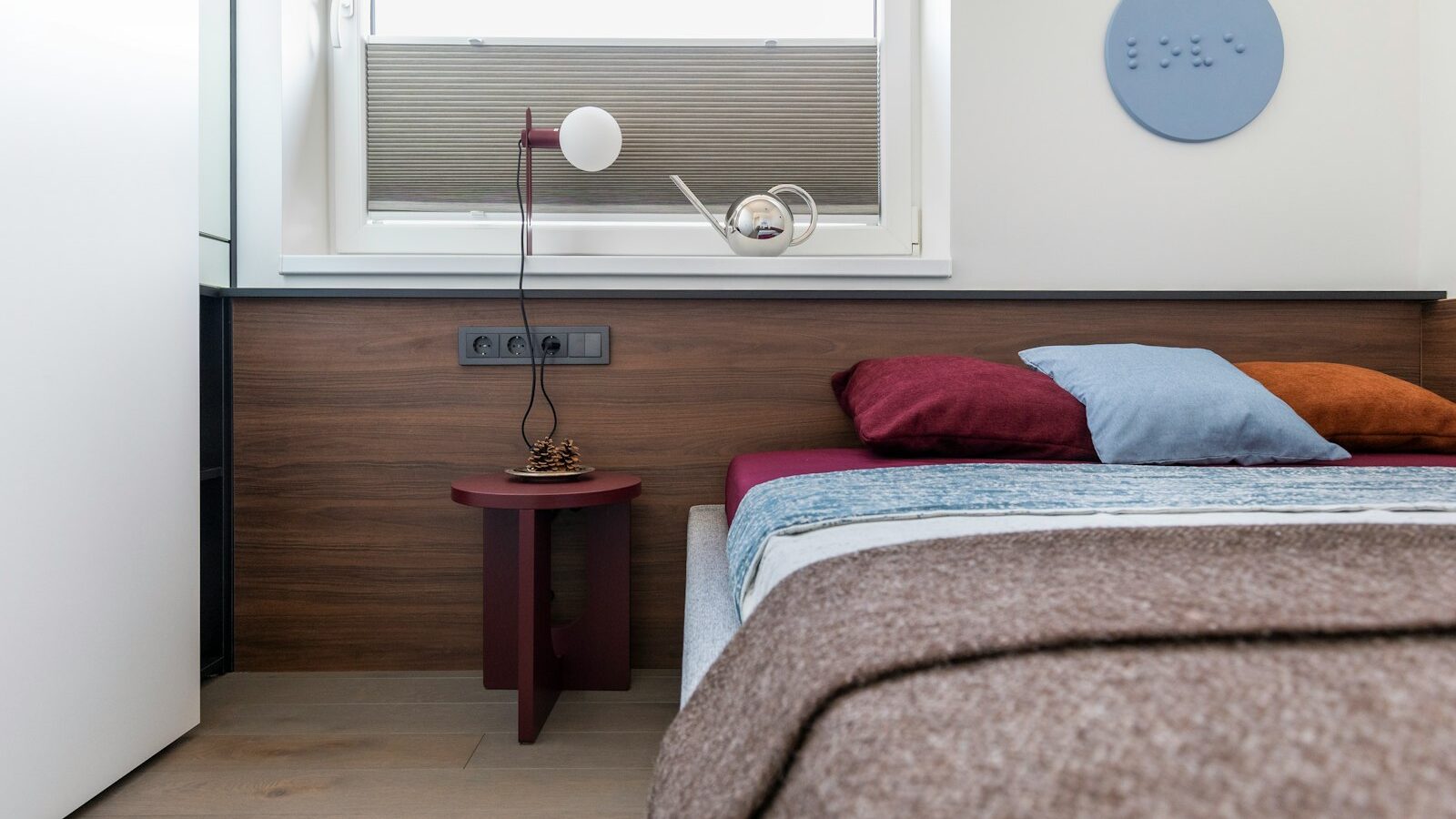
To design a small bedroom well, plan the layout around the bed, use full-height and under-bed storage, keep a light calm palette, and layer soft lighting so the room feels restful rather than cramped. The goal is to fit everything you need without crowding the floor. This guide gives a practical, Singapore-specific approach you can follow step by step.
Start with the bed and circulation
In a small room, the bed dominates, so position it first. Push it against the longest wall or into a corner to free a clear walking path, ideally leaving at least 60 centimetres on the access side. Once the bed is placed, everything else, storage, lighting and a possible desk, works around it. Getting circulation right is the foundation of how to design a small bedroom that still feels open.
A step-by-step approach
- Measure and zone. Note window, door and socket positions, then plan the bed, storage and any desk around them.
- Choose a storage bed. A bed with drawers or a lift-up base replaces a bulky chest of drawers.
- Build wardrobes to the ceiling. Full-height carpentry maximises storage and draws the eye up.
- Keep the palette light. Pale, warm tones make the room feel larger and calmer.
- Layer the lighting. Add bedside and ambient sources instead of one harsh overhead.
- Edit the furniture. Use slim bedside tables or wall-mounted shelves to keep the floor clear.
Storage that disappears
- Storage beds use the space under the mattress for bedding and seasonal items.
- Full-height wardrobes with sliding doors save the swing space hinged doors need.
- Wall-mounted shelves and bedside ledges keep surfaces off the floor.
- A slim built-in desk can tuck into an alcove if the room doubles as a study.
Concealed, vertical storage is the key to a tidy small bedroom. Our space planning service helps fit it all in without crowding.
Colour, lighting and mood
A restful bedroom favours soft, warm neutrals with one gentle accent, perhaps in the bedding or a single feature wall. Avoid dark, heavy colours on every wall, which shrink the room. Layer lighting with bedside lamps or wall sconces for reading, plus a soft ambient source, and add dimming where possible so the room can shift from functional to calm. For shade ideas, see our note on the best paint colours for small rooms.
Make the room feel larger
Mirrors, leggy furniture and curtains hung high and wide all stretch the perceived space. Keep sightlines clear and surfaces uncluttered. These same principles apply across a compact flat, as our guide on making a small HDB look bigger explains. For a fully coordinated home, our full-home design service ties the bedroom into the wider scheme.
Choosing the right bed size
The bed is the biggest decision in a small bedroom, and bigger is not always better. A queen often fits where a king would leave no walking room, and the extra circulation space makes the whole room feel calmer and more usable. Measure carefully, allowing clearance to walk around at least one side and to open wardrobe doors. If the room is very tight, a storage bed earns its place by removing the need for a separate chest of drawers, and a headboard with slim integrated shelves can replace bedside tables entirely, freeing precious floor area.
Window treatments and airflow
Windows affect both light and rest. Hang curtains or blinds high and wide to make the wall feel taller and the window larger, and choose light, airy fabrics by day with the option to block light for sleep. In Singapore’s climate, good airflow keeps a small bedroom comfortable, so avoid blocking the window with tall furniture and ensure any built-ins do not obstruct ventilation. Sheer layers paired with a blackout blind give flexibility, letting in daylight while preserving the dark, cool environment that helps you sleep well.
Special cases
For a child’s room, plan for growth with adaptable storage and a desk that suits study years. For a shared or guest room, a sofa bed or daybed adds flexibility. In a compact flat such as a studio or 2-room, the bedroom often doubles as more, which our 2-room BTO design ideas cover.
FAQ
Where should the bed go in a small bedroom?
Place the bed against the longest wall or in a corner to free a clear walking path, ideally with at least 60 centimetres on the access side. Position it first, then plan storage and lighting around it.
What is the best storage for a small bedroom?
Full-height wardrobes with sliding doors and a storage bed give the most capacity for the least floor space. Add wall-mounted shelves and slim bedside tables to keep surfaces clear.
What colours suit a small bedroom?
Soft, warm neutrals make a small bedroom feel larger and more restful. Add one gentle accent through bedding or a single feature wall, and avoid covering every wall in dark, heavy tones.
Can a small bedroom also be a study?
Yes. A slim built-in desk in an alcove or along a wall, combined with full-height storage, lets a small bedroom double as a study without crowding. Keep the desk compact and the storage vertical.
What bed size suits a small bedroom?
A queen often fits better than a king, leaving room to walk around and open wardrobe doors, which makes the room feel calmer. Measure for clearance on at least one side, and consider a storage bed to remove the need for a separate chest of drawers.
Designing a compact bedroom? Book a consultation with Elements and we will help you plan a restful, well-organised room that makes the most of every centimetre.