
How to Light a Room Properly (Singapore Guide)
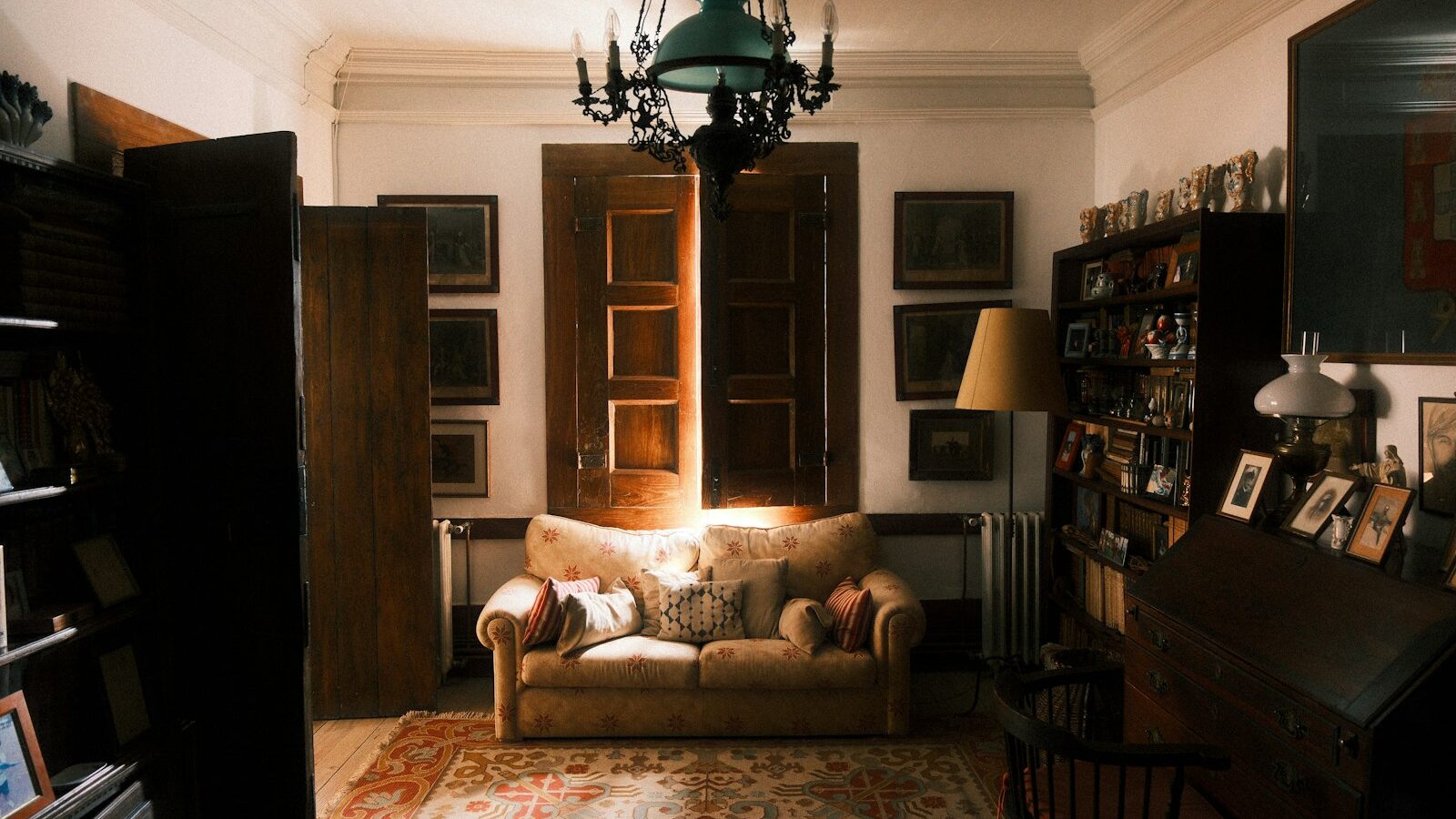
To light a room properly, use three layers working together: ambient lighting for overall brightness, task lighting where you work, and accent lighting for mood and depth. Relying on a single ceiling light is the most common mistake. This guide explains how to light a room in a Singapore home, including the colour temperature that suits our spaces.
How to light a room in three layers
- Ambient (general) lighting. The base layer — recessed downlights, a cove, or a central fixture that fills the room evenly.
- Task lighting. Focused light where you do things — under-cabinet strips, a reading lamp, a pendant over the dining table.
- Accent lighting. The mood layer — wall washers, strip lighting in niches, picture lights that add warmth and depth.
Combine all three and you can shift a room from bright and practical to soft and relaxing simply by switching layers on and off.
What colour temperature should you use?
| Kelvin | Feel | Best for |
|---|---|---|
| 2,700-3,000K | Warm white | Living rooms, bedrooms, dining |
| 3,500-4,000K | Neutral white | Kitchens, bathrooms, study |
| 5,000K+ | Cool / daylight | Utility, workshop, vanity task light |
For most Singapore homes we favour warm white in living and sleeping areas and neutral white where you need clarity. Keep colour temperature consistent within a room so it does not look mismatched, and choose a high colour rendering index (CRI 90+) so finishes and skin tones look true.
Room-by-room lighting
Living room
Layer downlights with a floor or table lamp and some accent strip lighting behind the TV feature. Dimmers let you set the mood. This integrates neatly with your colour scheme — warm light flatters warm neutrals.
Kitchen
Bright neutral ambient light plus under-cabinet task lighting on the worktop is essential. Plan it alongside your kitchen layout, and see our kitchen design service for how we integrate it.
Bedroom
Soft, dimmable ambient light with bedside reading lamps. Avoid harsh ceiling spots directly over the bed. Cove lighting gives a calm glow.
Bathroom
Even, shadow-free light at the mirror is the priority — side or front lighting beats a single overhead. Our bathroom design work covers damp-rated fittings for our humidity.
Lighting tricks that make a room feel bigger
- Wash walls with light to push the boundaries outward.
- Use uplighting or cove lighting to draw the eye up and add height.
- Avoid a single central pendant in a small room — it can flatten the space.
These pair well with our advice on making a small HDB look bigger.
Practical wiring tips
Plan lighting at the design stage, because adding circuits and points after plastering and painting is disruptive. Decide on switch positions, dimmers, and where you want each layer before electrical works begin. This is part of how we plan a home in full-home design.
FAQ
How many downlights does a room need?
It depends on room size, ceiling height and the wattage of each fitting, so there is no fixed number. As a guide, space them evenly for general fill and supplement with task and accent lights rather than packing the ceiling with spots.
What is the best lighting colour for a living room?
Warm white at 2,700-3,000K suits most Singapore living rooms. It feels relaxing and flatters warm neutral palettes. Add dimmers so you can brighten the space when needed.
Should every room use the same colour temperature?
Not necessarily. Use warm white in living and sleeping areas and neutral white in kitchens and bathrooms. The important rule is to keep the temperature consistent within each individual room.
Are dimmers worth installing?
Yes. Dimmers let one set of lights serve different moods and tasks, which is the easiest way to make a room feel flexible. Make sure the dimmer and LED drivers are compatible to avoid flicker.
Why does my room feel dark even with lights on?
Usually because it relies on one central fixture with no task or accent layers, or because the bulbs are too cool or low-output. Adding under-cabinet, lamp and wall lighting fills the gaps a single ceiling light leaves.
Want lighting designed properly into your renovation rather than added at the end? Book a consultation with Elements and we will plan a layered lighting scheme for every room.