
Gallery Wall & Art Display Ideas for SG Homes
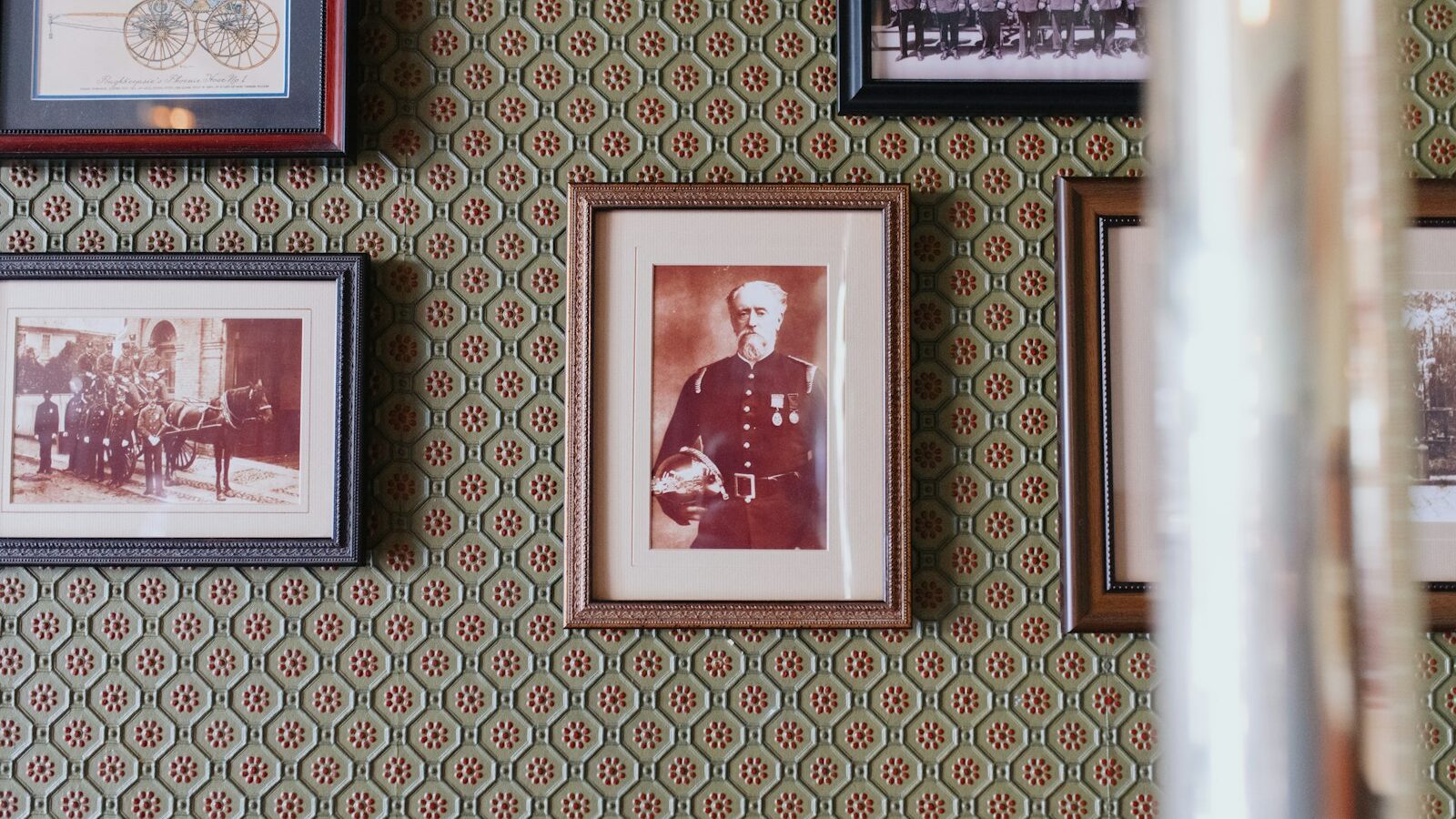
Gallery wall ideas are one of the simplest ways to add personality to a home without major renovation. A well-arranged grouping of art, photos and objects turns a blank wall into a focal point. This guide is for Singapore homeowners who want to display art beautifully in an HDB flat or condo, including how to hang without ruining the wall.
What makes a gallery wall work
A successful gallery wall feels intentional, not random. The secret is a unifying thread — a consistent frame colour, a shared palette, or a clear theme — that holds varied pieces together. Spacing matters too; frames hung evenly with consistent gaps read as designed, while uneven gaps look haphazard. You can mix sizes and orientations as long as the overall shape stays balanced. A useful tip is to treat the whole arrangement as a single rectangle or shape on the wall, then compose the frames to fill it evenly, which keeps even an eclectic mix looking deliberate.
Choosing a layout
| Layout | Look | Best for |
|---|---|---|
| Grid | Clean, orderly | Matching frames, photos |
| Salon / organic | Eclectic, collected | Mixed art and sizes |
| Horizontal line | Calm, structured | Above sofa or console |
| Ledge / picture rail | Flexible, no extra holes | Renters, frequent changers |
A grid suits minimalist and contemporary homes; a salon arrangement fits more eclectic, layered styles.
Planning before you hang
Plan on the floor first to avoid extra holes in the wall. A simple process:
- Lay all the frames on the floor and arrange until the composition feels balanced.
- Keep 5 – 8cm between frames for a cohesive look.
- Cut paper templates the size of each frame and tape them to the wall to test the layout.
- Hang the central or largest piece first, then work outwards.
- Aim for the centre of the arrangement at roughly eye level, around 145 – 150cm.
Hanging without damaging the wall
HDB and condo walls vary — some are solid concrete, some are hollow partitions — so the right fixing matters.
- Concrete walls need a drill and appropriate wall plugs for anything heavy.
- Hollow or drywall partitions need anchors rated for the frame’s weight.
- Renters or light frames can use adhesive strips or a leaning ledge to avoid holes.
- Picture rail systems let you rearrange freely with minimal wall damage.
If you are unsure what your walls are made of, a designer or contractor can advise during your renovation. Coordinating art placement into full-home design means lighting and power can be planned around your display.
Lighting your art
Art looks far better with dedicated light. Picture lights, adjustable spots or a wall washer bring out colour and texture, especially in windowless walls. Warm, dimmable light flatters most artwork. For a broader look at combining sources, see our guide to layered lighting.
Choosing frames and art
What you display matters as much as how you hang it. You do not need expensive originals — a mix of prints, photographs, textiles and small objects works beautifully. To keep a varied collection cohesive, pick one unifying element: a single frame colour, a consistent mount border, or a shared palette across the pieces. Mixing frame styles can work in an eclectic salon arrangement, but it needs a confident eye. For a calmer, contemporary look, matching frames in black, natural timber or thin metal give an instantly polished result.
Mixing in objects and dimension
A gallery wall need not be flat artwork alone. Adding dimensional pieces — a small mirror, a woven textile, a sculptural object or a shadow box — brings depth and personality. These break up rows of framed prints and stop the wall feeling like a catalogue. Keep heavier items lower in the arrangement for visual balance and secure fixing. A small plant on a nearby shelf or a picture light can frame the display further. The aim is a collection that feels personal and gathered over time, not bought all at once.
Where to place a gallery wall
Beyond the living room, a gallery wall works above a console at the home entrance, along a staircase, above the bed, or down a hallway to add interest to circulation space. Choose a wall you pass or sit near often so you actually enjoy it.
A step-by-step checklist
To create a gallery wall that looks deliberate, follow this sequence:
- Choose a unifying thread — frame colour, palette or theme.
- Pick a layout that suits your style and the wall’s shape.
- Arrange the pieces on the floor until the composition feels balanced.
- Make paper templates and tape them up to test before drilling.
- Use the correct fixings for your wall type and frame weight.
- Hang the central piece first, then work outwards, and add lighting.
Planning on the floor and on paper first saves unnecessary holes and gives a far neater result.
FAQ
How high should I hang a gallery wall?
Centre the arrangement at roughly eye level, around 145 to 150cm from the floor. Above a sofa or console, keep the lowest frames about 15 to 25cm above the furniture.
Can I hang heavy frames on an HDB wall?
Yes, but use the correct fixings. Solid concrete needs proper wall plugs and a drill; hollow partitions need rated anchors. For very heavy pieces, get professional help.
How do I display art without making holes?
Use a picture ledge or rail, or strong adhesive strips for lighter frames. These are ideal for renters or anyone who likes to rearrange their display regularly.
If you would like help displaying art and planning lighting around it, book a consultation with Elements and browse our portfolio for ideas.